A critical geography of food systems
To eat is to nurture life, practice culture, and show love for others. These days, it also exacerbates inequality and perpetuates violence. My work as a historical geographer examines how this paradox was baked into our food system and how it shapes the places where food is grown, raised, processed, sold, and consumed.
My past work has examined the causes of famine in Cambodia under the Khmer Rouge, Madagascar under the French, and Hawaii at the dawn of imperialism. I have also studied socio-ecological imperialism in Sumatra under Dutch rule.
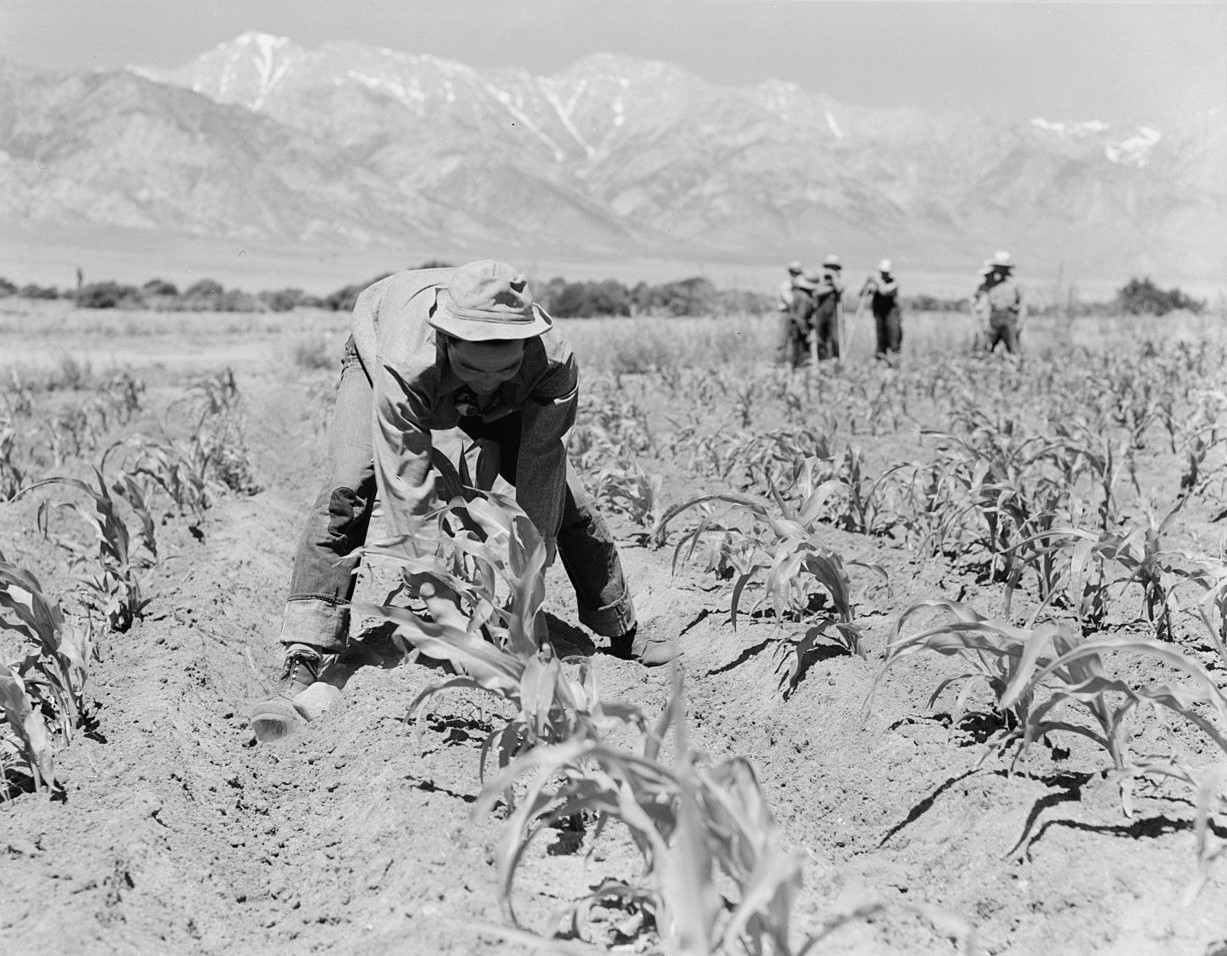
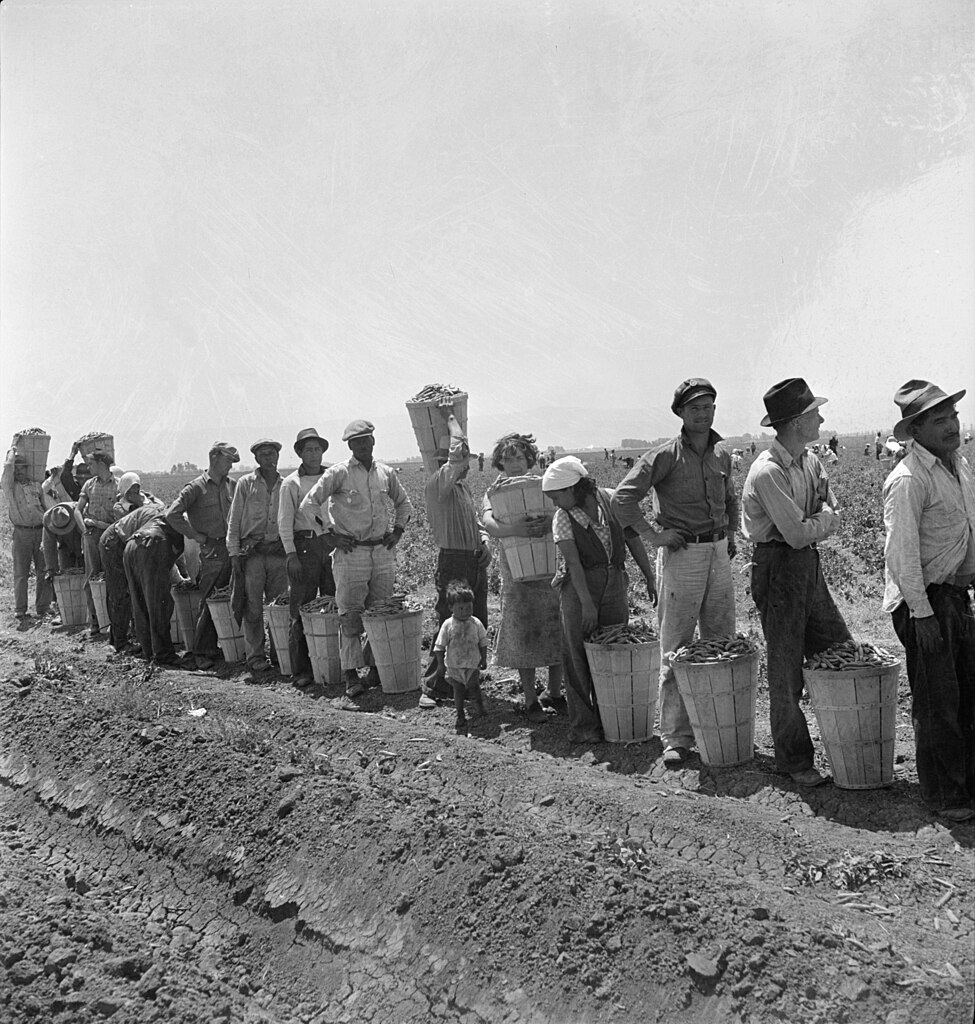
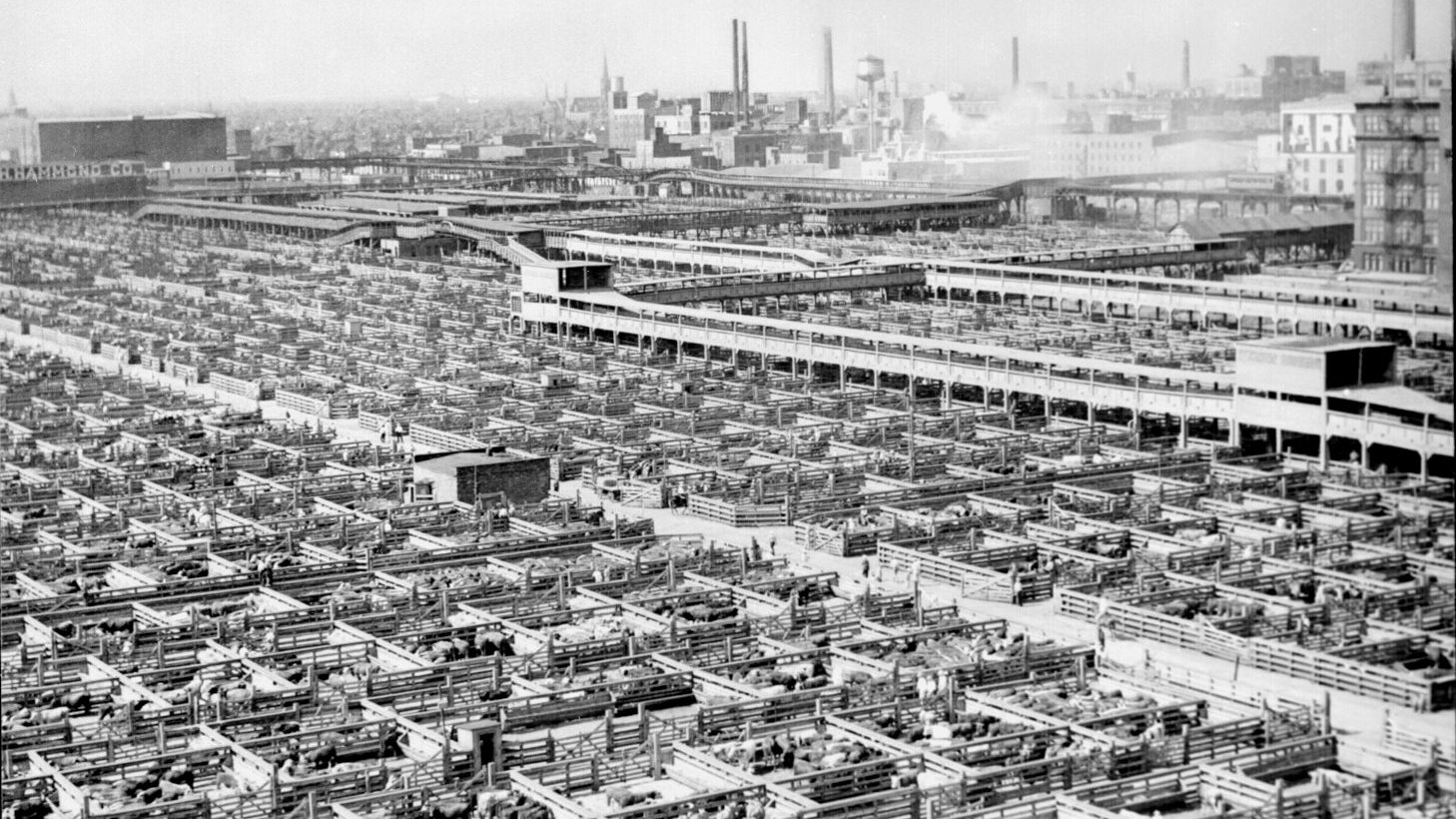
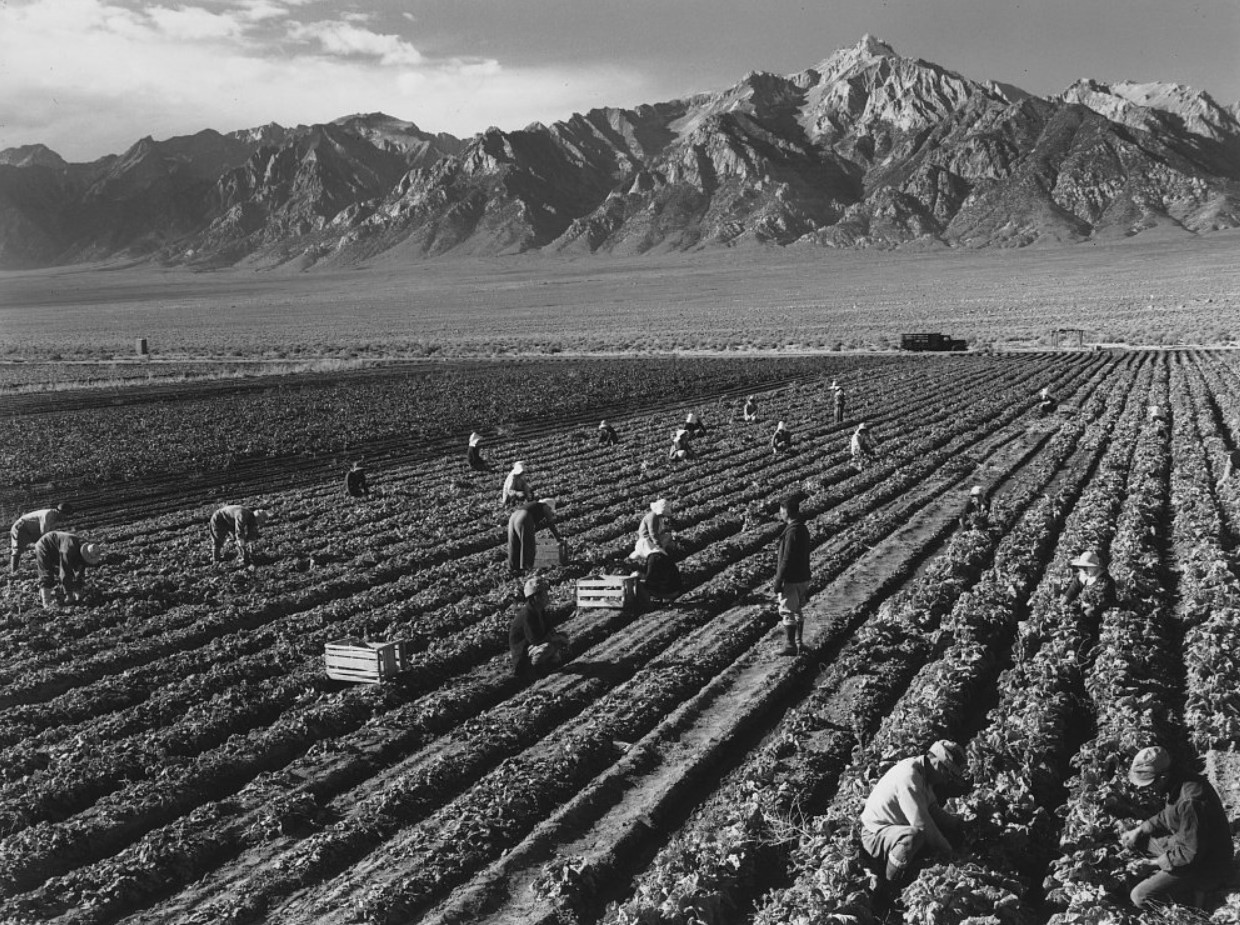
I am currently researching the processes that drive violence in the US food system as expressed through Indigenous removal, Japanese American incarceration, convict leasing and prison labor, meatpacking labor, foreign aid, and Green Revolution discourses.
Research areas
Food & violence
Books
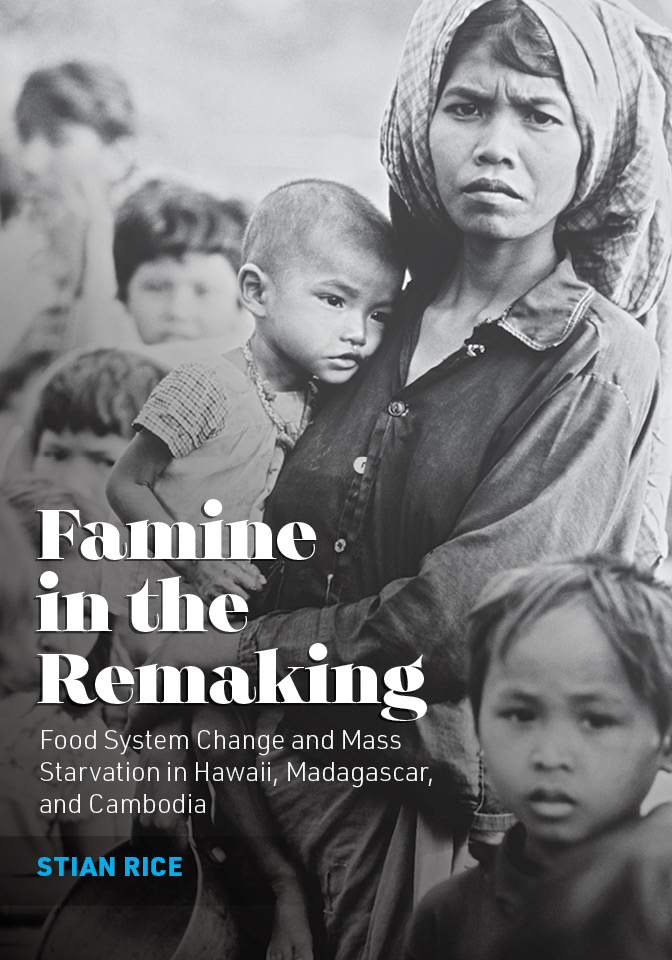
Famine in the Remaking
April 2020, West Virginia University Press
The causes of mass starvation may seem immediate and self-evident: extreme weather, market failure, civil unrest, or war. But famine’s roots are notoriously complex. Famine in the Remaking explores the slow-moving socioecology of starvation through a comparison of three historical famines: Hawaii in the 1820s, Madagascar in the 1920s, and Cambodia in the 1970s. Seemingly sudden, the origins of these crises spanned centuries and continents. Slow-moving environmental, economic, and political changes conspired to undermine otherwise robust food systems. Today, institutions try to predict food crises by monitoring conditions on the ground. But prevention could benefit from examining how food systems are organized and made vulnerable over time—warning signs that hide in plain sight.
“A compelling and welcome intervention into the origins of famine … endowed with historical rigor and diagnostic insight in equal measure.”
— Agricultural History
Publications
Recent work
Madagascar’s famine is more than climate change
Georgetown Journal of International Affairs, 2022
The recent crisis in Madagascar has been called “the first climate change famine.” But blaming nature for human malfeasance goes back centuries.
Divide and cultivate: The role of prisons and Indian reservations in US agricultural imperialism
Food and Foodways, 2022
Indian reservations and prisons have been indispensable for spatially fixing not only capital and labor, but racial violence in the US food system.
Convicts are returning to farming — anti-immigrant policies are the reason
The Conversation, 2019
In the 1880s, convict leasing killed thousands. Today, this lucrative practice coming back as border policies limit the flow of cheap labor.
Revanchist ‘nature’ and 21st century genocide
With James Tyner, PhD. Space and Polity, 2021
In response to novel pathogens, two new forms of genocide have emerged: the pre-emptive slaughter of non-human animals, and the letting die of unwanted human populations.

Bio
Stian Rice
Born in Singapore and raised in Southeast Asia, Australia, and the United States, Stian overdosed on maps at an early age. He received his PhD in geography from Kent State University in 2018 and has written about genocide and famine for academic and general audiences since 2012. He is Assistant Research Scientist with the Center for Urban Environmental Research at the University of Maryland Baltimore County, and teaches geography at Anne Arundel Community College in Arnold, Maryland.
 Stian Rice